Protect Your Property with Expert Waterproofing Solutions

Comprehensive waterproofing, thermal insulation, and structural protection services for residential and commercial properties throughout Argentina. Professional diagnostics, quality materials, and guaranteed results.

Understanding Building Protection

Effective waterproofing and thermal insulation are fundamental to building longevity and occupant comfort. These protective measures address different but complementary aspects of building performance.

Moisture Management

Waterproofing systems prevent water infiltration through roofs, walls, and foundations. Different areas require different approaches - what works for a terrace may not suit a basement. Material selection depends on exposure, substrate type, and expected movement.

Thermal Performance

Insulation reduces heat transfer through building envelopes. The effectiveness depends on material R-value, installation quality, and continuity. Thermal bridges at structural elements can significantly reduce overall performance if not addressed properly.

Structural Preservation

Water infiltration accelerates concrete deterioration, steel corrosion, and material degradation. Early intervention typically involves simpler solutions than delayed response. Regular inspection helps identify issues before they become structural concerns.

Energy Considerations

Well-insulated buildings require less heating and cooling energy. The payback period for insulation improvements varies based on climate, energy costs, and existing conditions. Both comfort and operating costs are affected by thermal performance.

Systematic Building Protection Process

Each project begins with thorough assessment to understand existing conditions and identify appropriate solutions.

1

Initial Assessment

Site inspection to document conditions, identify moisture sources, thermal bridges, and structural concerns. This evaluation informs solution selection.

2

Solution Design

Based on assessment findings, we develop an approach considering substrate conditions, exposure, budget, and performance requirements.

3

Implementation

Application follows manufacturer specifications and building codes. Surface preparation, material compatibility, and installation sequence affect long-term performance.

4

Documentation

Completed work includes written documentation of materials used, application methods, and maintenance recommendations for future reference.

Comprehensive Building Protection Services

Different building elements require specialized approaches to waterproofing and insulation.

Roof Systems

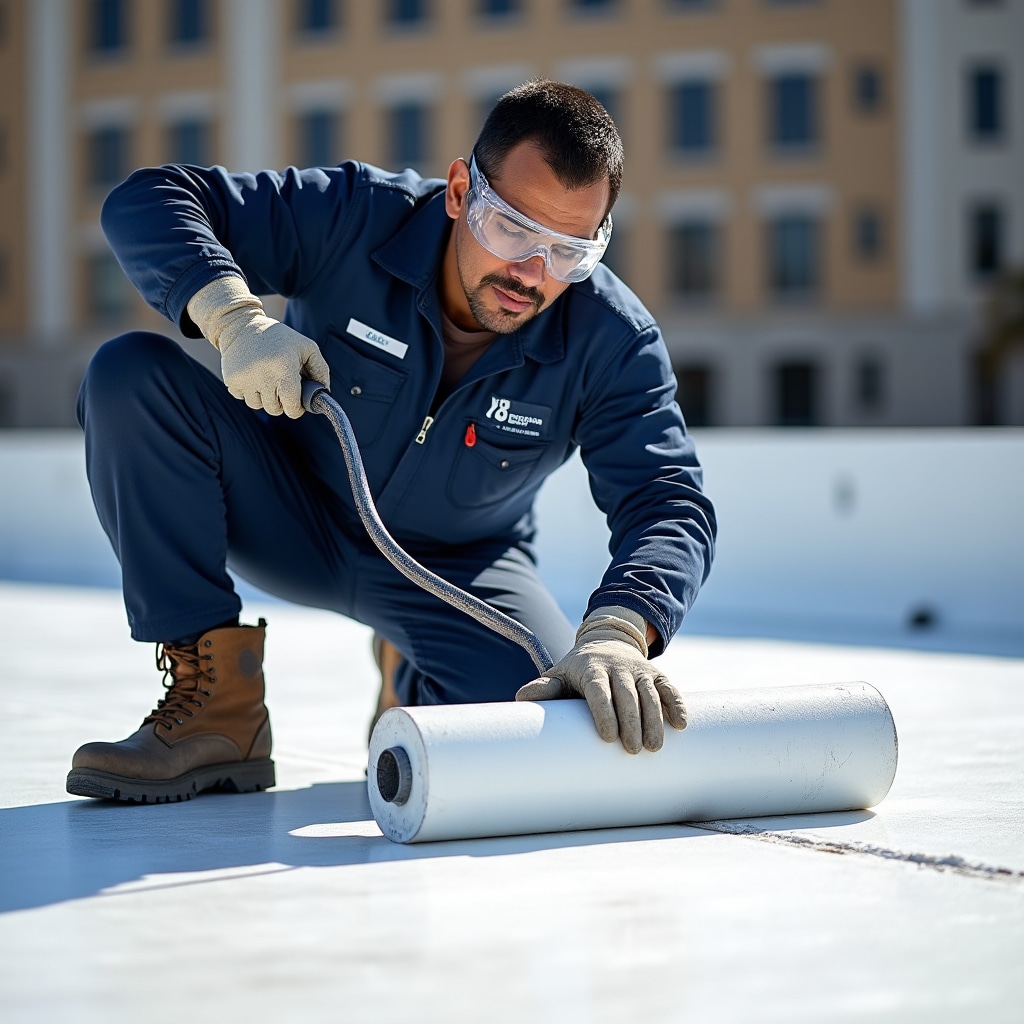
Flat and sloped roofs have different waterproofing requirements. Membrane selection depends on substrate, traffic expectations, and exposure to UV radiation. Proper drainage design prevents water accumulation.

Wall Protection

Exterior walls face wind-driven rain and thermal cycling. Protection methods range from surface treatments to cavity drainage systems. The approach depends on wall construction and exposure severity.

Joint Sealing

Building movement occurs at expansion joints, window perimeters, and material transitions. Sealant selection must accommodate expected movement while maintaining water resistance over time.

Thermal Bridges

Structural elements often create paths for heat transfer through the building envelope. Identifying and addressing these thermal bridges improves overall insulation effectiveness.

Foundation Areas

Below-grade waterproofing faces hydrostatic pressure and limited access for future repairs. Material durability and application quality are particularly important in these locations.

Party Walls

Shared walls between properties require coordination and appropriate materials. Water infiltration from adjacent properties can affect multiple units if not properly addressed.

Professional applying waterproofing membrane on flat roof surface

Understanding Waterproofing Options

Different waterproofing materials offer varying characteristics in terms of application method, durability, and suitability for specific conditions.

  • Liquid-applied membranes conform to complex geometries and create seamless coverage
  • Sheet membranes provide consistent thickness and are available in various formulations
  • Cementitious coatings work well on concrete substrates with limited movement
  • Elastomeric systems accommodate substrate movement better than rigid materials

The selection process considers substrate type, expected movement, traffic requirements, and budget constraints. No single material suits all applications.

Typical Building Protection Situations

Understanding common moisture and insulation issues helps property owners recognize when professional assessment may be beneficial.

Building professional inspecting flat roof terrace for moisture damage

Terrace Waterproofing

Flat roofs and terraces are particularly vulnerable to water infiltration. Signs include interior ceiling stains, membrane blistering, or standing water. Regular inspection helps identify issues early.

Learn more
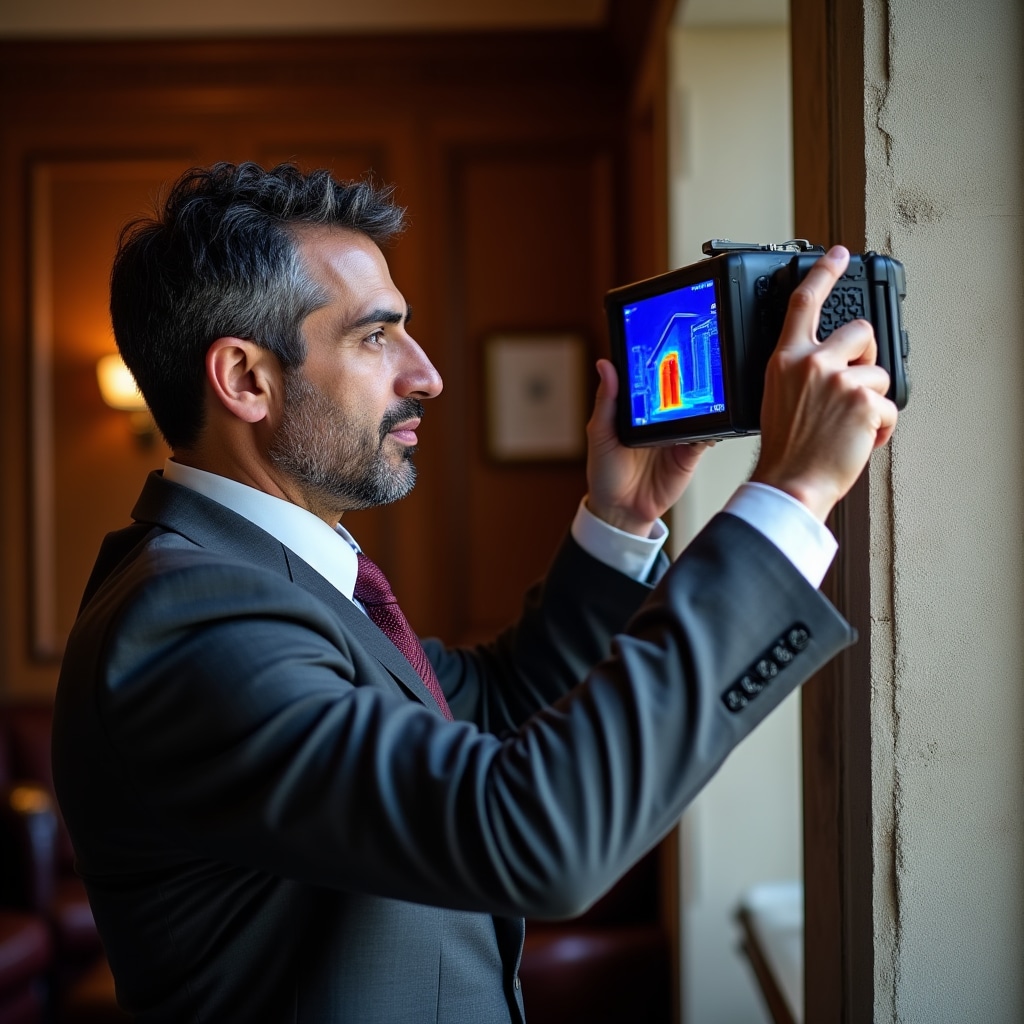
Thermal imaging camera revealing heat loss areas in building wall

Thermal Bridge Detection

Thermal imaging can reveal heat loss patterns not visible to the eye. Common thermal bridges occur at balcony connections, window perimeters, and structural penetrations through insulated walls.

Learn more
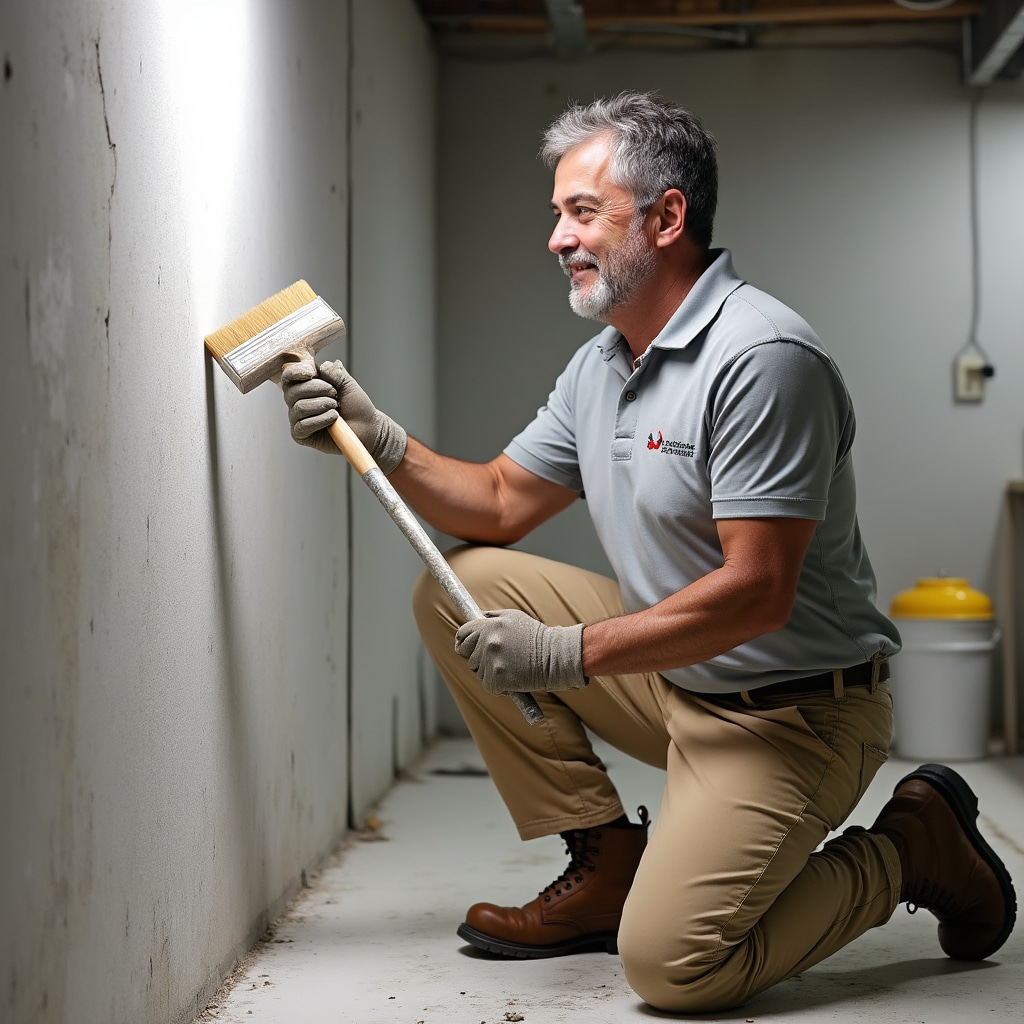
Professional applying waterproofing coating to basement wall interior

Below-Grade Protection

Basements and underground spaces face unique challenges from hydrostatic pressure. Both interior and exterior approaches exist, each with different applications and effectiveness depending on conditions.

Learn more

Identifying Moisture and Thermal Issues

Accurate diagnosis precedes effective solutions. Visual inspection reveals obvious problems, but some issues require additional investigation.

  • Moisture meters quantify water content in building materials
  • Thermal imaging identifies temperature differentials indicating insulation gaps
  • Water testing helps locate infiltration paths in complex situations
  • Destructive investigation may be necessary to understand hidden conditions

Understanding the root cause, not just visible symptoms, leads to appropriate solutions. Surface treatments won't resolve problems originating from structural issues or poor drainage.

Building inspector using moisture meter to test wall for water infiltration

Ready to Protect Your Property?

Professional assessment helps identify the most appropriate solutions for your specific situation. We provide detailed evaluations and written documentation of recommended approaches.

Request Consultation