Building Protection Solutions

Comprehensive approaches to waterproofing, thermal insulation, and moisture management

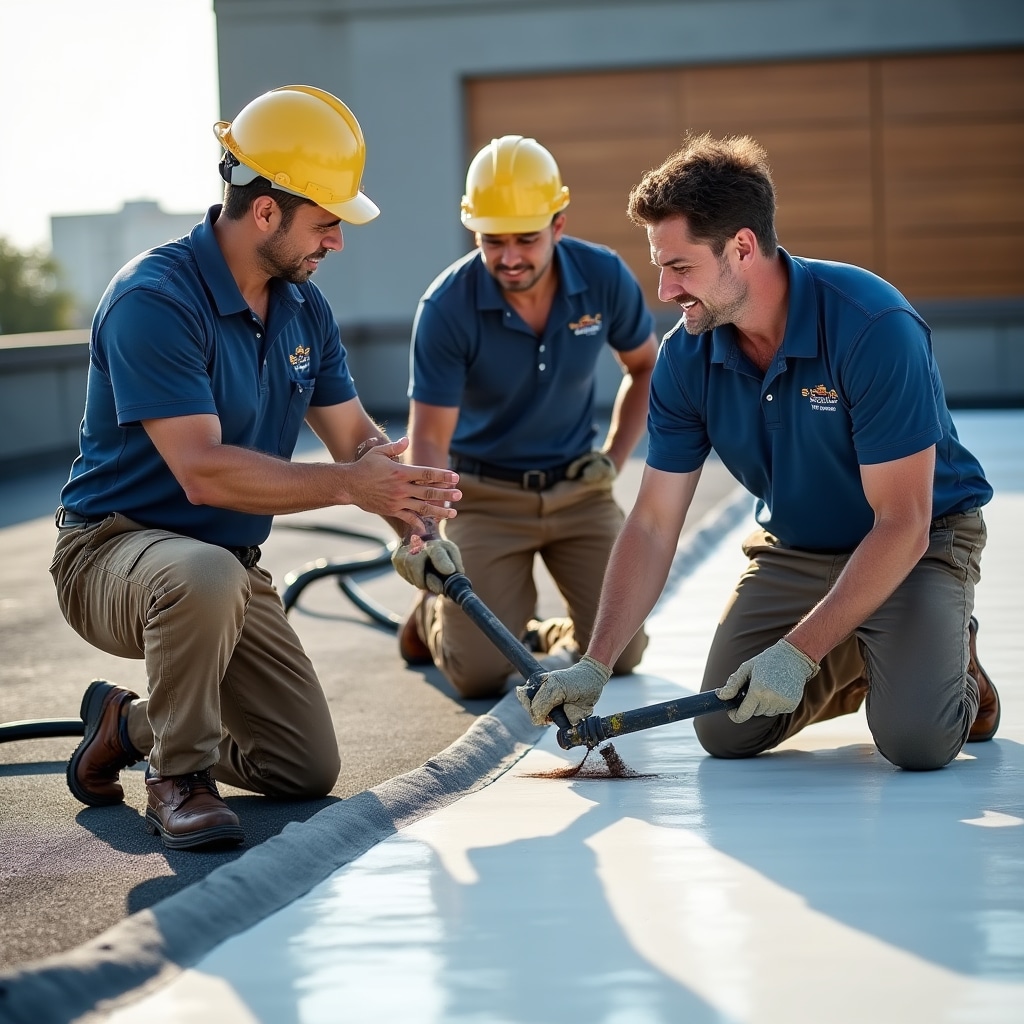
Professional installing waterproof membrane system on commercial flat roof

Roof Waterproofing

Flat and low-slope roofs require waterproofing systems that can handle standing water, UV exposure, and thermal expansion. Material options include modified bitumen, single-ply membranes, and liquid-applied systems, each with different installation requirements and performance characteristics.

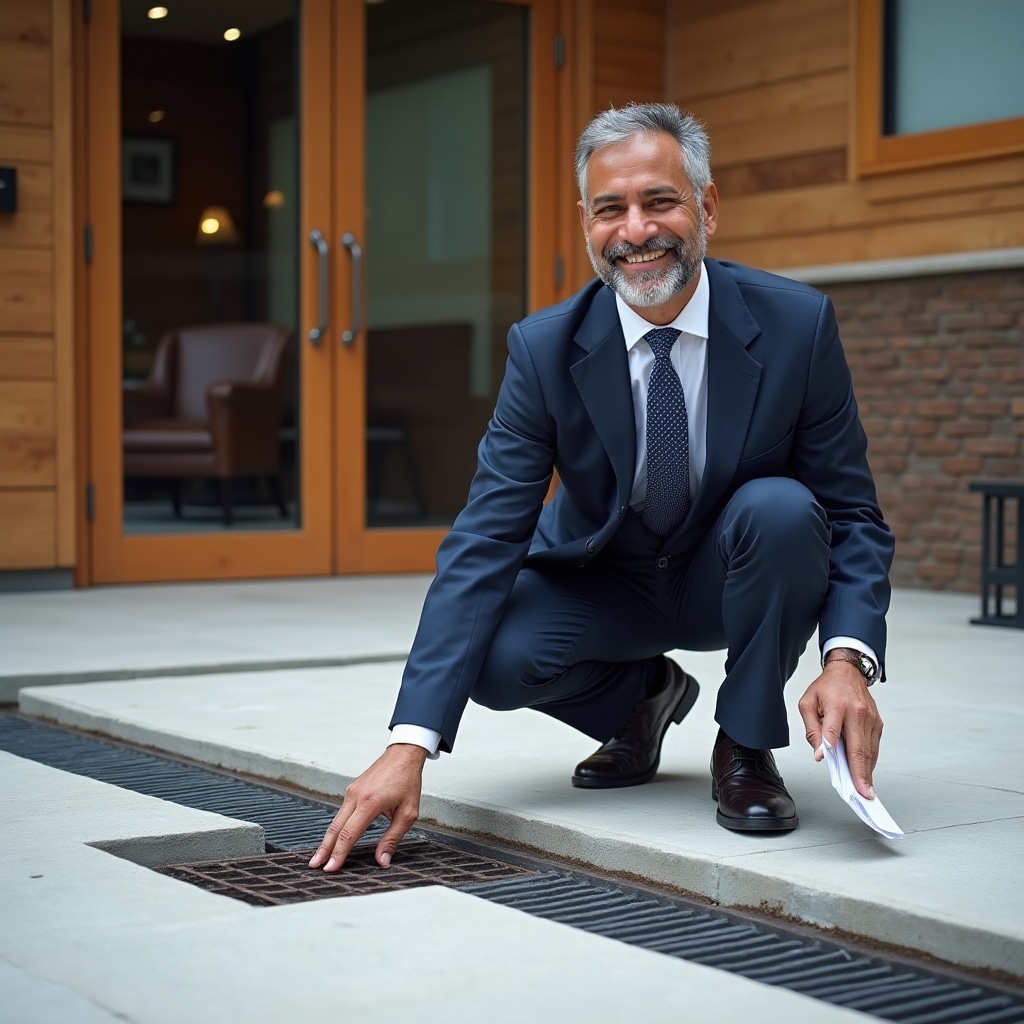
Properly installed terrace drainage system with waterproofing membrane visible

Terrace Protection

Accessible terraces need waterproofing that accommodates foot traffic and furniture while maintaining water resistance. The system typically includes a waterproofing layer, protection board, and wearing surface. Proper drainage design prevents water accumulation.

Thermal Insulation

Insulation reduces heat transfer through walls, roofs, and floors. Material selection depends on application location, required R-value, moisture conditions, and budget. Both interior and exterior insulation approaches exist, each with different implications for building performance.

Additional Protection Methods

Foundation Waterproofing

Below-grade waterproofing protects against groundwater infiltration and hydrostatic pressure. Systems range from drainage membranes to full exterior waterproofing with protection boards. The approach depends on water table levels and soil conditions.

Joint Sealing

Expansion joints, control joints, and material transitions require flexible sealants that accommodate movement while preventing water infiltration. Sealant selection must match expected joint movement and exposure conditions.

Party Wall Treatment

Shared walls between properties can be sources of water infiltration affecting multiple units. Treatment may involve exterior waterproofing, interior drainage, or cavity remediation depending on wall construction and access.

Comparing Waterproofing Approaches

Different waterproofing methods suit different situations. Understanding the distinctions helps in selecting appropriate solutions.

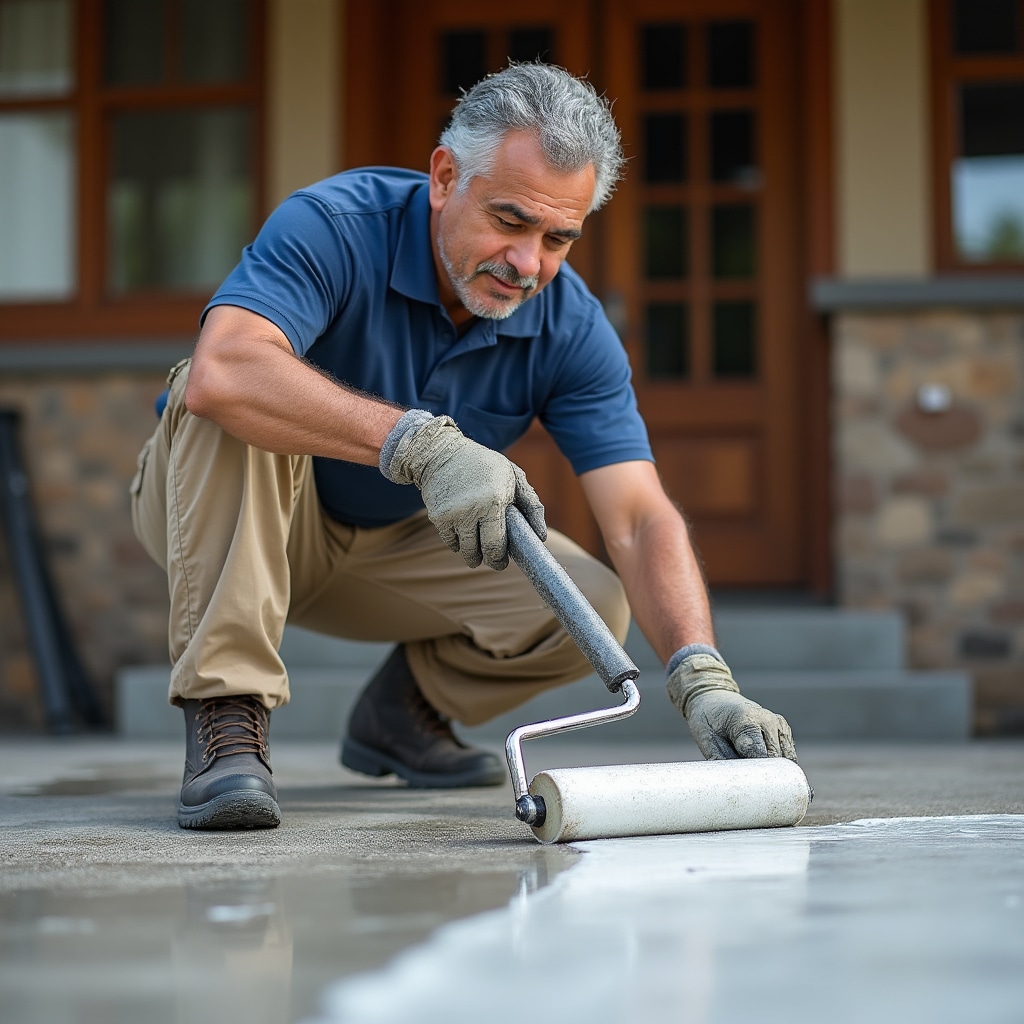
Worker applying liquid waterproofing membrane with roller on prepared surface

Liquid-Applied Membranes

These materials are applied as liquids and cure to form seamless waterproofing layers. They conform well to complex geometries and penetrations. Application requires proper surface preparation and typically multiple coats. Weather conditions during application affect curing.

Thickness control depends on applicator skill and surface conditions. The seamless nature eliminates seam failure risks but makes repair identification more challenging. Suitable for irregular surfaces and areas with many penetrations.

Sheet Membranes

Pre-manufactured sheets provide consistent thickness and controlled quality. Installation involves careful seam welding or adhesive application. Sheet membranes work well on regular surfaces with few penetrations.

Seam quality is critical to system performance. Different materials (PVC, TPO, EPDM, modified bitumen) have varying characteristics regarding UV resistance, flexibility, and longevity. Material selection affects both initial cost and expected service life.

Technician heat-welding seams of sheet waterproofing membrane on roof

Identifying Building Issues

Accurate diagnosis precedes effective solutions. Different investigation methods reveal different types of problems.

Visual Inspection

Systematic examination of building surfaces identifies obvious problems: membrane damage, standing water, vegetation growth, staining, and material deterioration. Documentation through photos helps track conditions over time.

Thermal Imaging

Infrared cameras reveal temperature differentials indicating missing insulation, thermal bridges, or moisture accumulation. This non-destructive method identifies issues hidden behind finishes. Interpretation requires understanding of building construction and thermal principles.

Moisture Testing

Moisture meters quantify water content in building materials. Different meter types (pin-type, pinless) suit different materials and situations. Testing helps distinguish active leaks from residual moisture and identifies extent of water damage.

Water Testing

Controlled water application helps locate infiltration paths in complex situations. Testing may involve spray racks, flood testing, or tracer dyes. This method is particularly useful when leak sources are not obvious from visual inspection.

Understanding Insulation Options

Different insulation materials offer varying characteristics in terms of R-value, moisture resistance, and application method.

Rigid Foam Boards

These panels provide consistent insulation value and can serve as structural sheathing. Types include polyisocyanurate, extruded polystyrene, and expanded polystyrene, each with different R-values per inch and moisture characteristics. Installation requires proper fastening and joint sealing.

Spray Foam

Applied as liquid that expands and hardens, spray foam fills irregular cavities and provides both insulation and air sealing. Open-cell and closed-cell formulations have different properties. Application requires specialized equipment and trained applicators.

Batt Insulation

Flexible blankets of fiberglass or mineral wool fit between framing members. Cost-effective but requires careful installation to avoid gaps. Effectiveness depends on proper fit and continuity. Moisture management is important to prevent performance degradation.

Need Help Selecting Solutions?

We provide detailed assessments and explain which approaches might suit your specific building conditions and requirements.

Request Assessment